Wildlife activity and temporal partitioning in shared landscapes
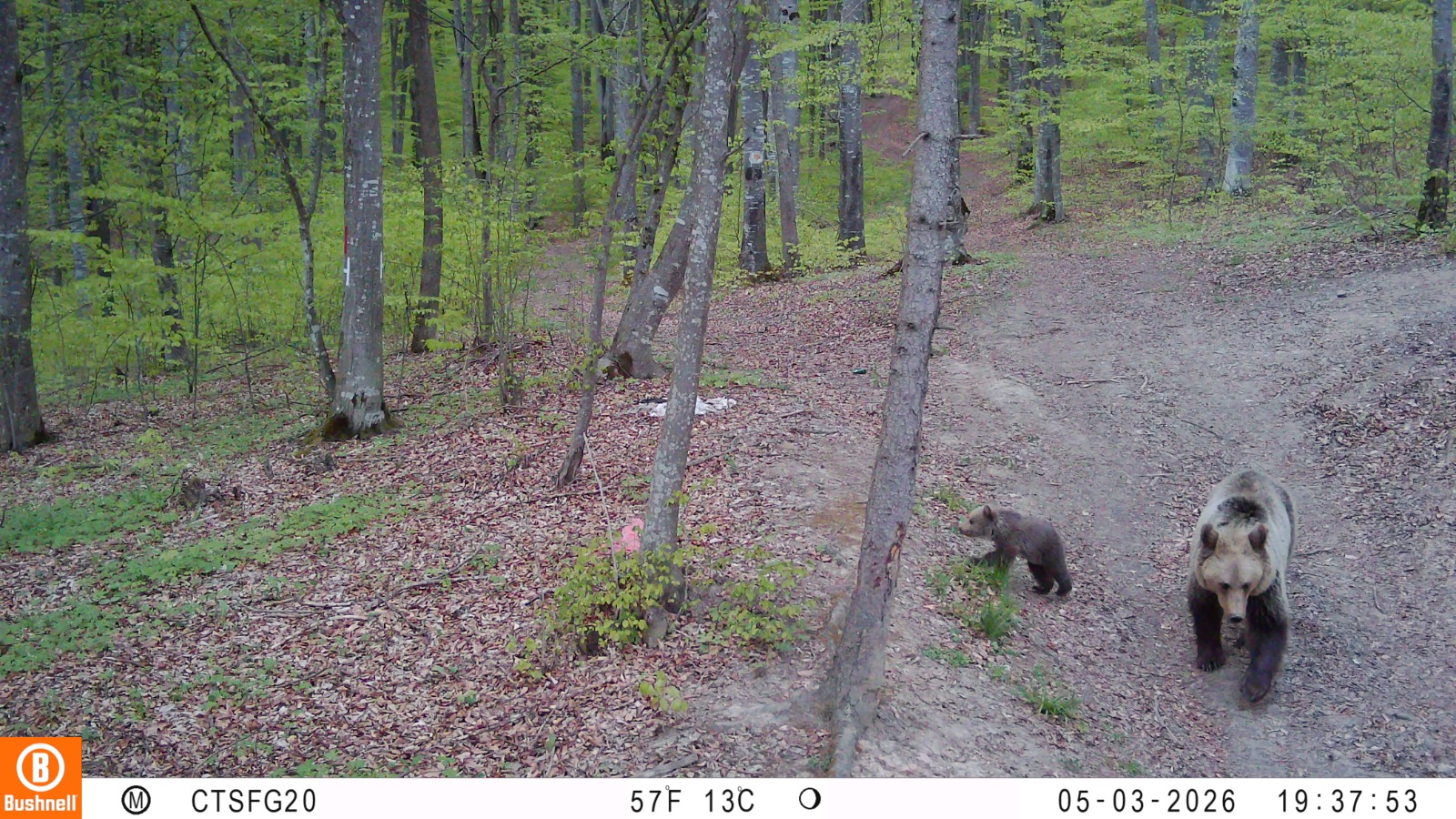
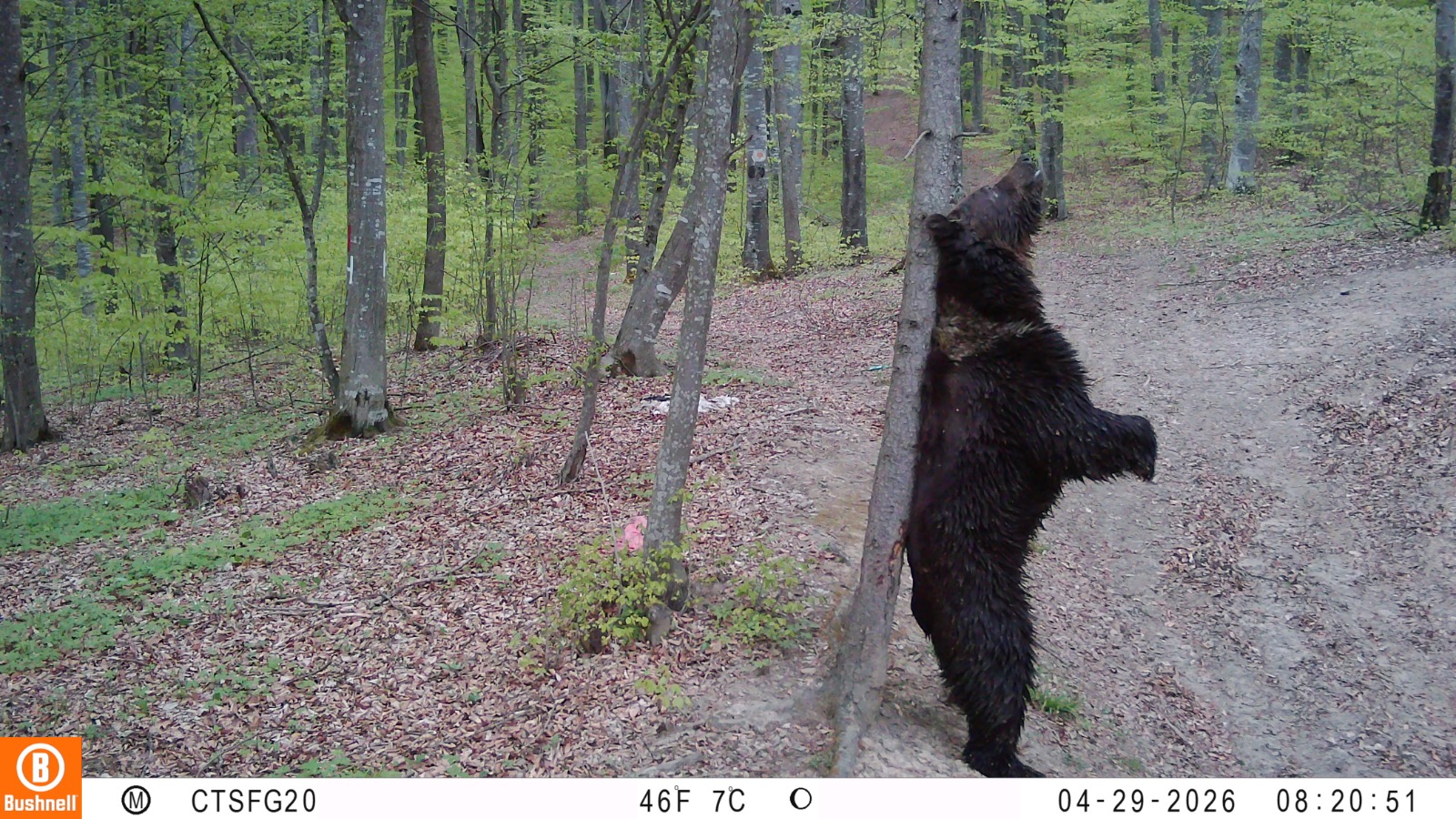
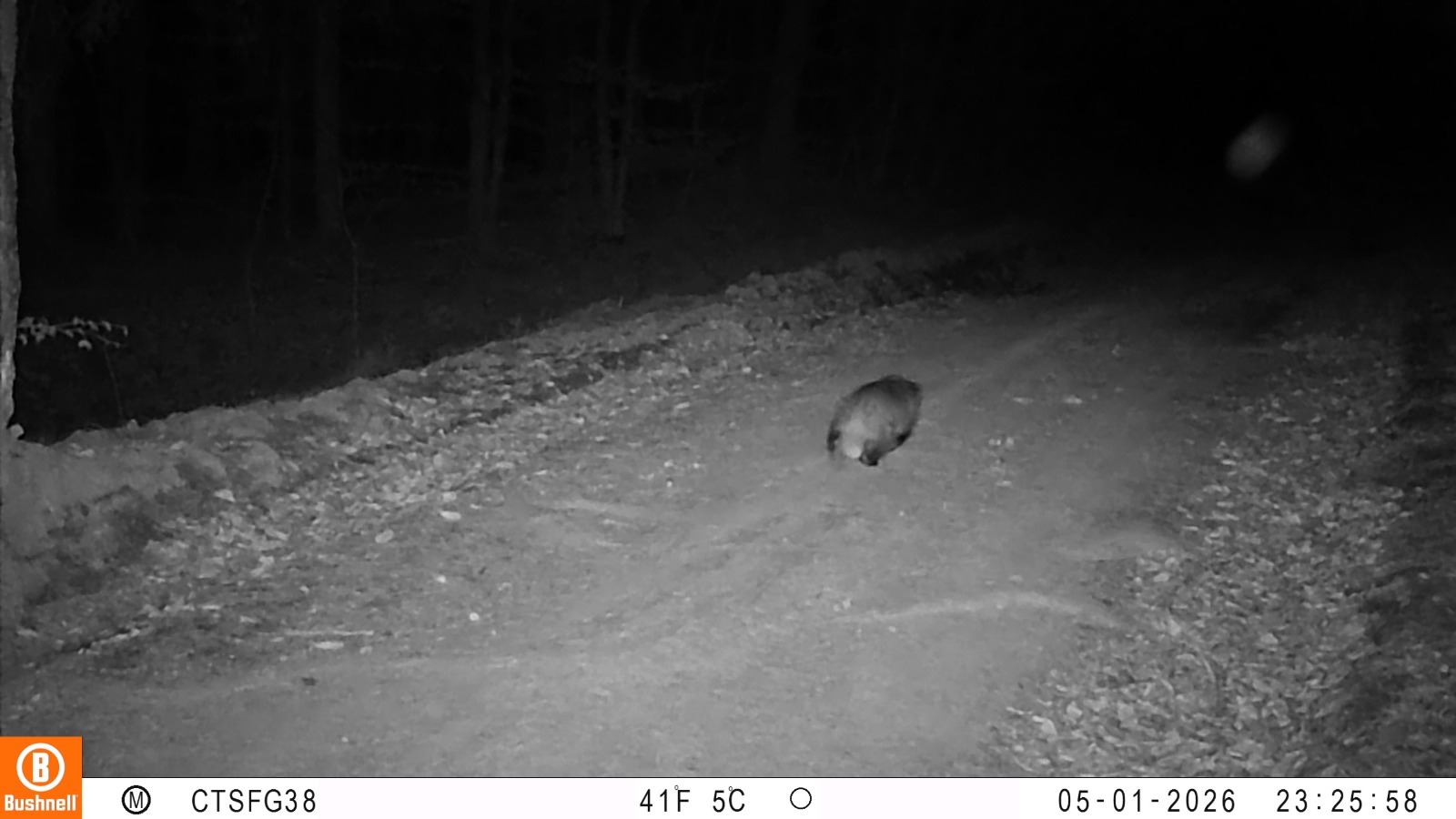
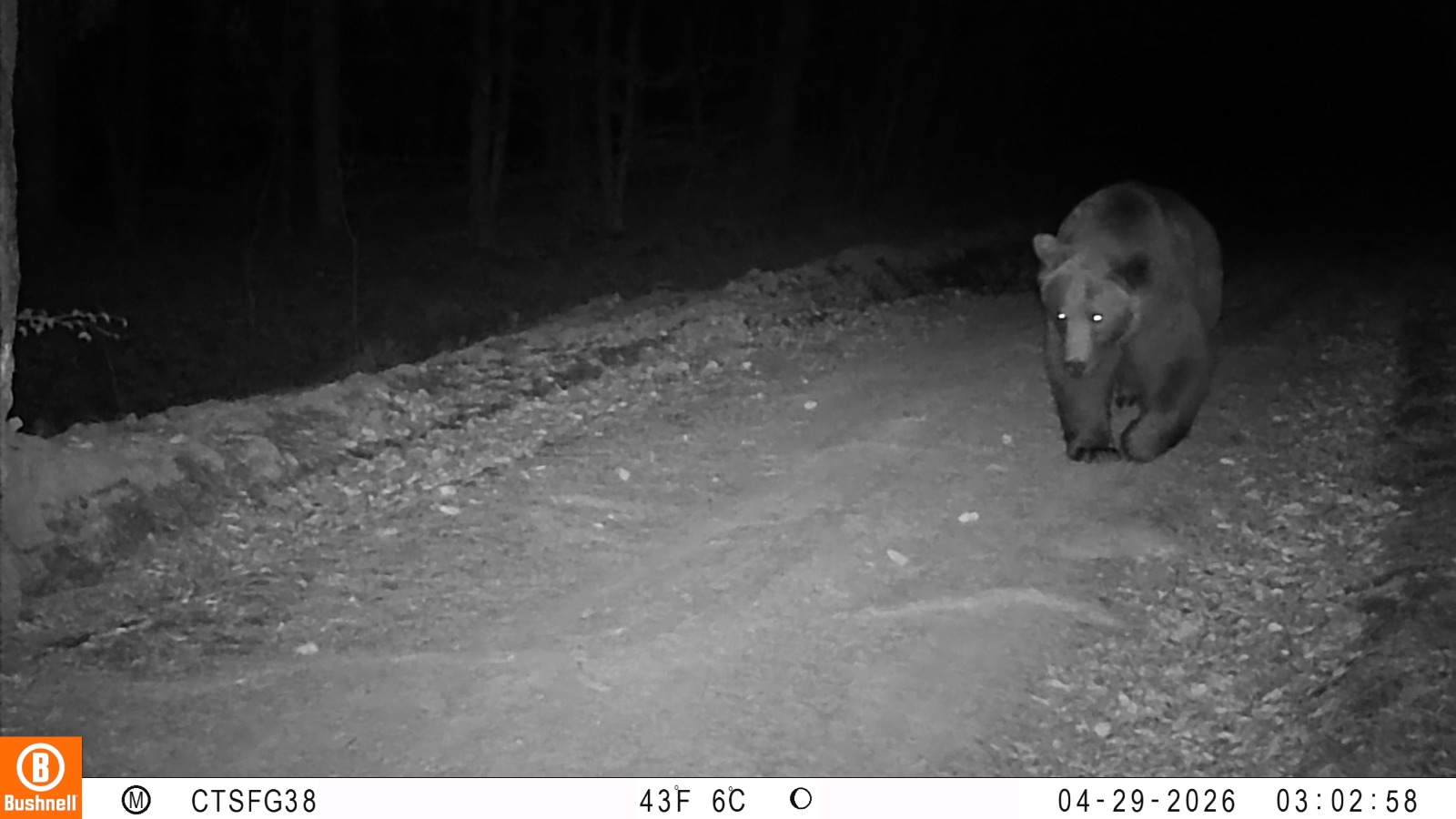
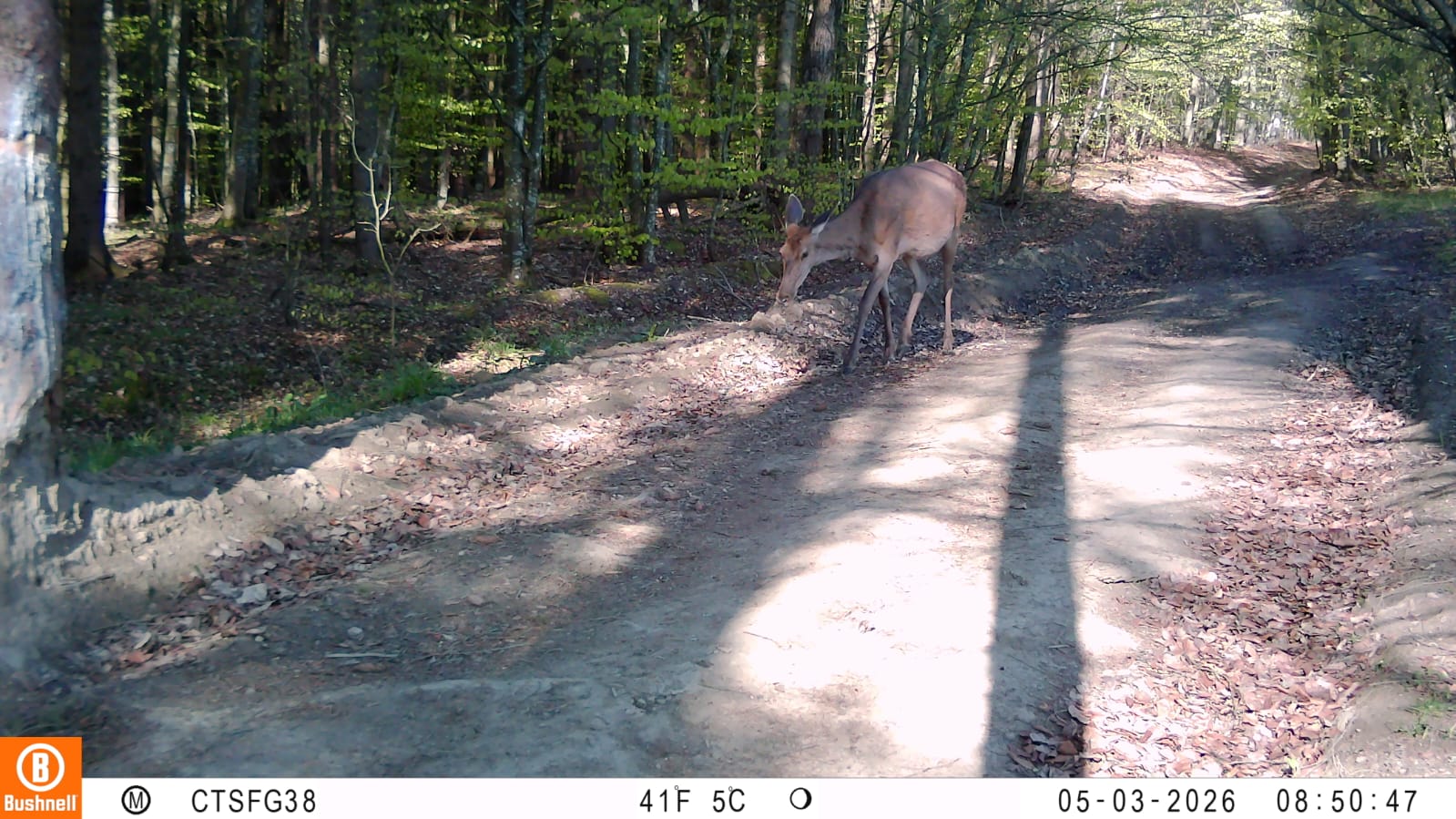
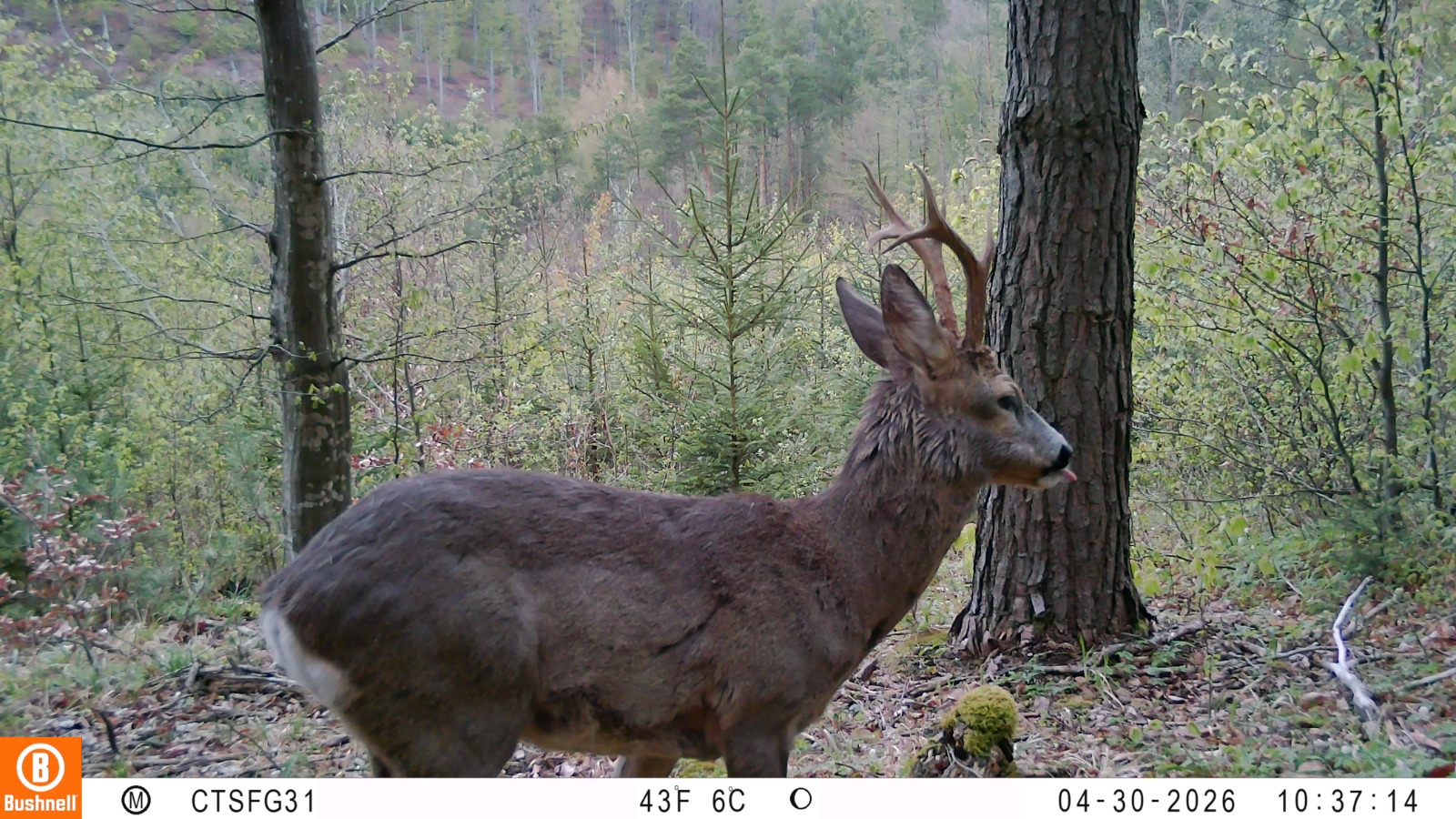
These camera-trap images and footage document the use of the same forest roads by large carnivores, ungulates, and humans. Beyond confirming species presence, they provide evidence of activity patterns and potential temporal segregation among wildlife and human users of the landscape.
Such temporal partitioning may represent an important mechanism through which coexistence is maintained in multifunctional landscapes. These areas are not empty spaces, but dynamic social–ecological systems used simultaneously — though often at different times — by humans and wildlife.
SESCARNIVORE aims to understand these spatial and temporal dynamics and to develop a robust, science-based roadmap for human–large carnivore coexistence, integrating ecological processes, human values, and institutional arrangements.
The gallery below illustrates this diversity in practice. Brown bears, wolves, roe deer, red deer, and badgers — alongside human users — were all recorded on the same forest roads within the same monitoring period. That these species coexist in the same corridors without constant direct encounters is itself ecologically meaningful. Temporal partitioning, whereby different species shift their activity to different times of day or night, may be a key behavioural mechanism enabling this overlap. Understanding when, how, and under what conditions this partitioning holds — or breaks down — is central to SESCARNIVORE's research agenda.
These records were collected as part of SESCARNIVORE's ongoing field monitoring activities in Romanian Carpathian landscapes.